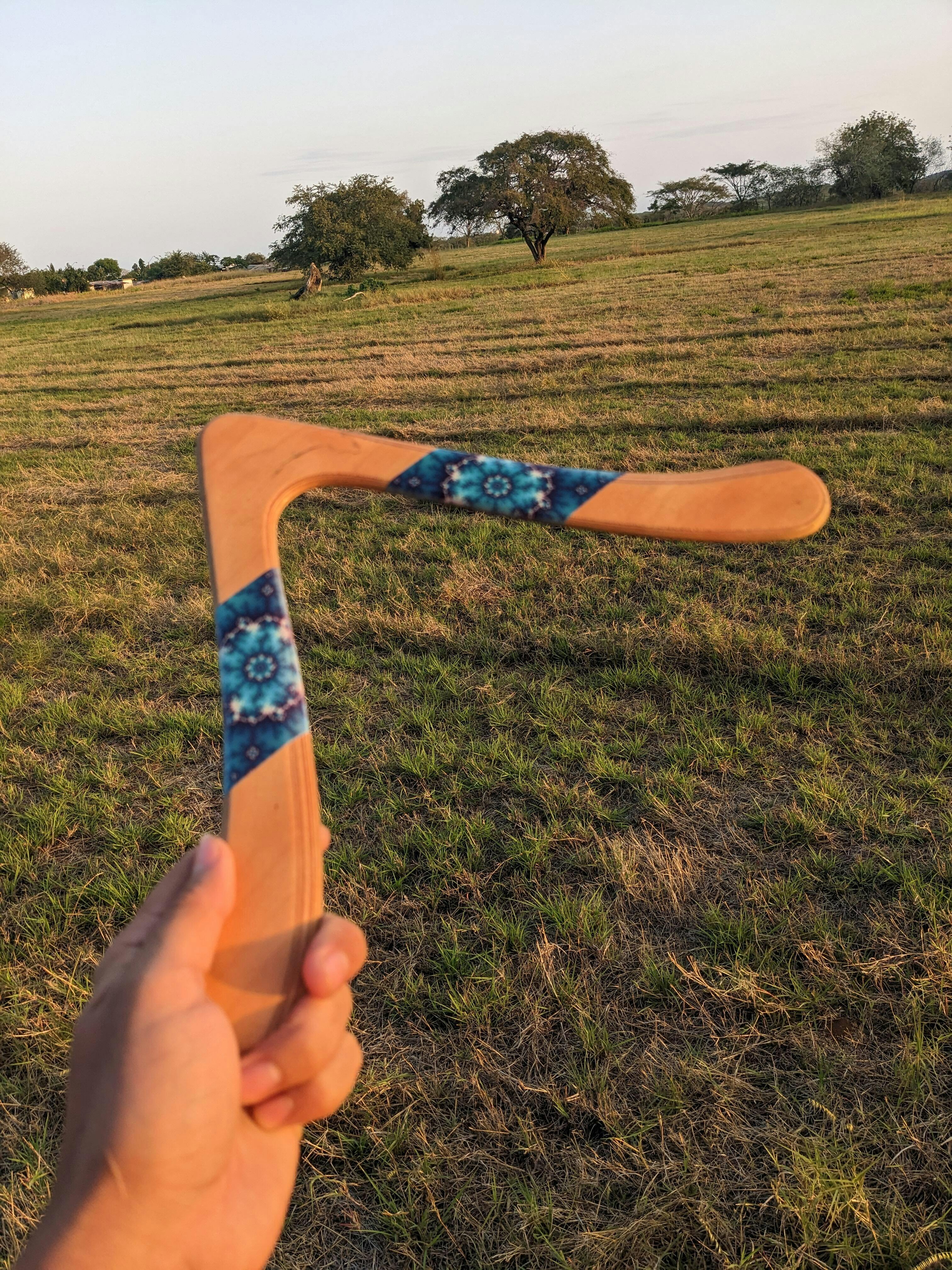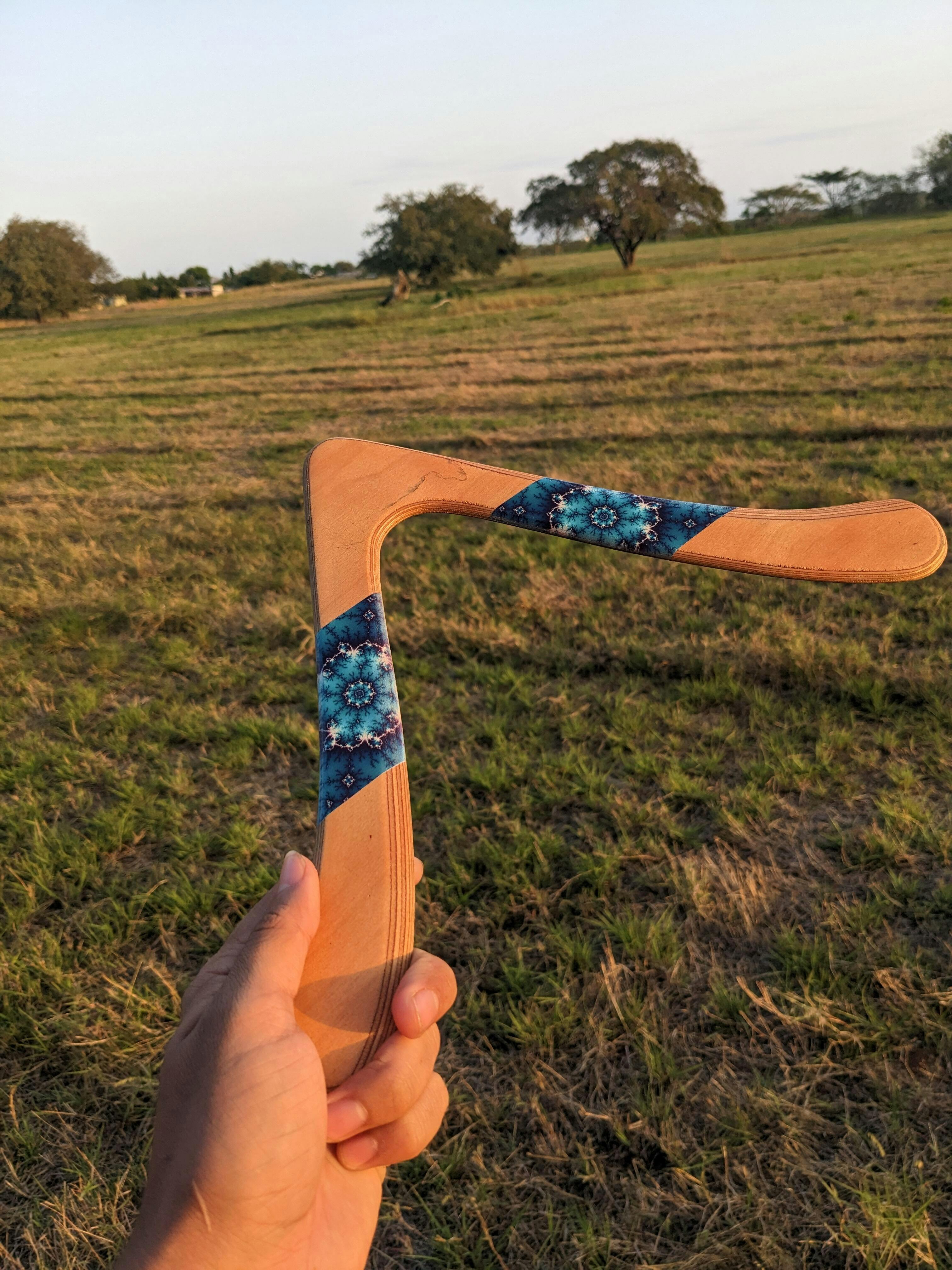
I like a far throwing rang, and this delivers. Can be a little fickle in the wind but can be tuned pretty well. I like a more circular flight, but this can also be adjusted with tuning and layover, but it isn't a rang you're going to catch every time, but that's ok with me. I bought it for exercise because I am either sitting behind the computer monitor doing takeoffs or sitting behind the wheel going to do takeoffs, so a little walking to pick it up 5 or 6 times outta 10 ain't a bad thing. I'm not a pro or even approach that level, but 50percent catch rate for me is fine. I'd like to find one that goes even further than the50 to 60 yards I can get outta this, but I do like the Kilimanjaro quite well. Had the lazy hook before and LOVED it. Lighter and faster and a tad more consistent in catching. Easier to throw for long periods. Will be getting another lazy hook for sure. All in all, this is a good rang for strong arms and I got that. Just saying. BUY IT DAMMIT!
Throws great right from the box. Looking forward to calmer weather this spring for more throwing.
This is not glow in the dark! I have emailed and messaged on Shopify with no response…
It took me about two hours to catch it correctly. I'm still learning, but it's important to have a lot of clearance, this boomerang can actually fly much further than you could think.
It's very windy here this season, so I have to adjust the angle of inclination, but it will surely be much more fun to use when the wind here goes away. I would recommend it for adults as I found that you need to throw it with a little more force to get it to come back to where you are. It feels durable (I use it in a grassy area)